
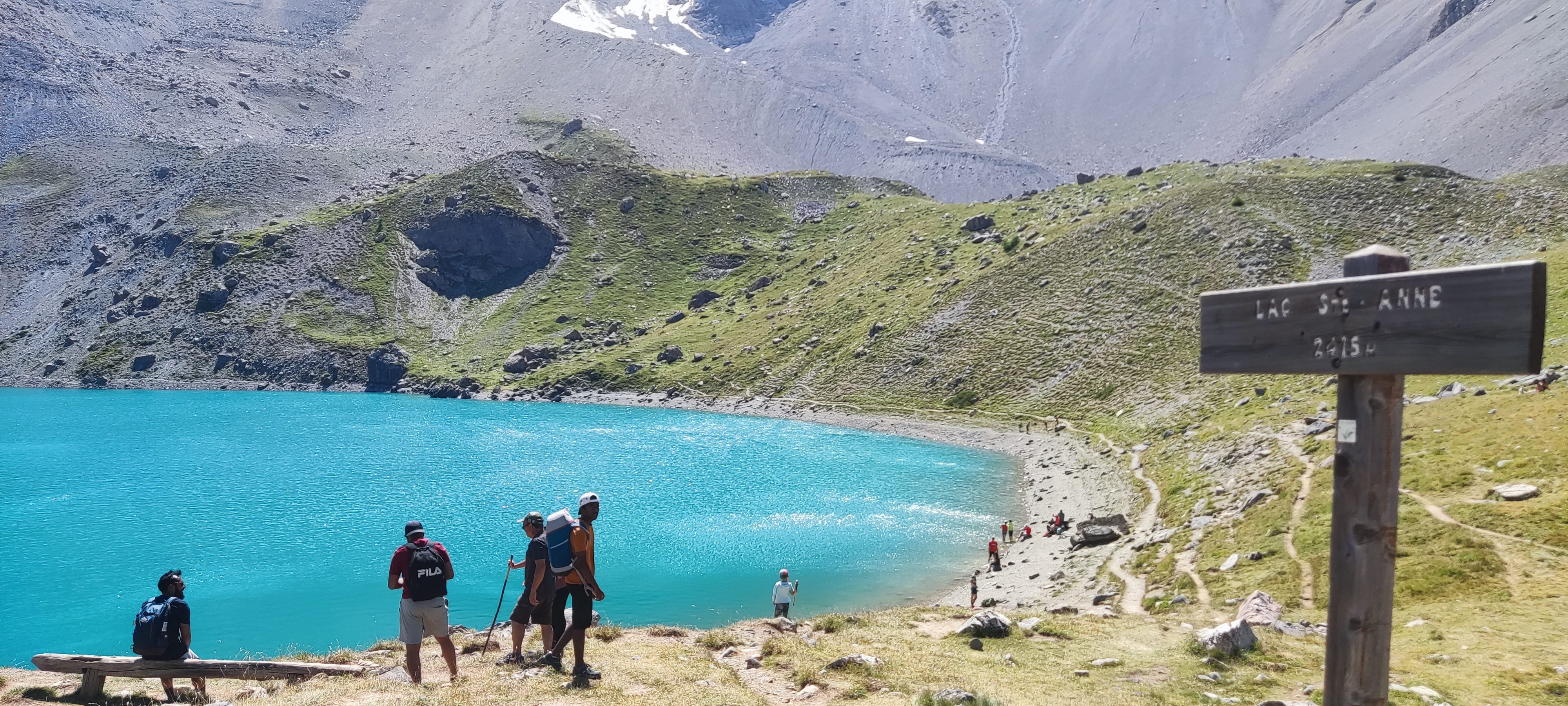
First, there is a direction.
A track beyond the last village. A valley reached on foot. A camp far from the lights. A secondary road chosen because it crosses a landscape the main routes avoid.
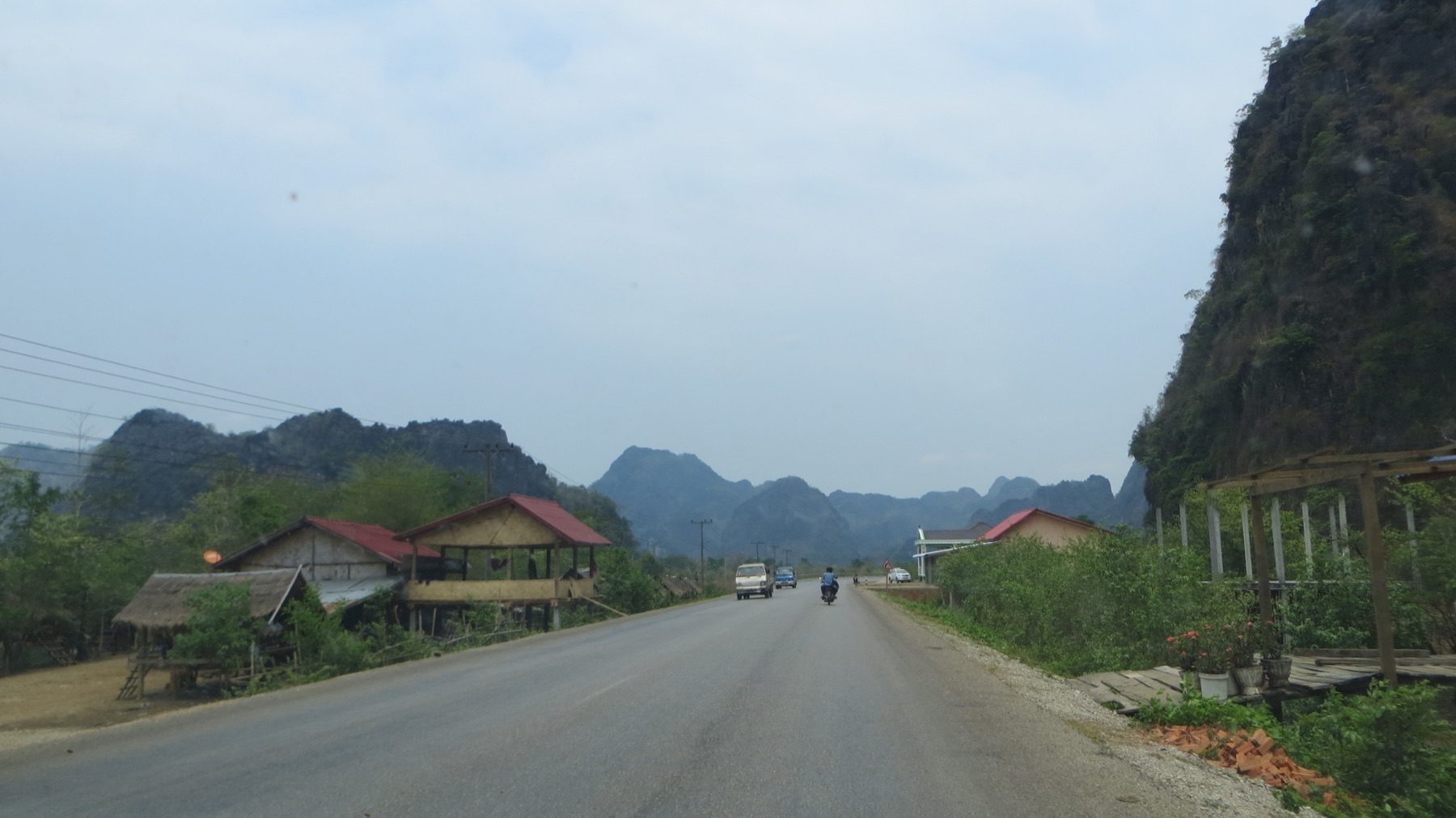
Then comes the turning.
The one that makes you slow down, study the ground and decide whether to continue. The one that turns a transfer into a true passage. The journey suddenly gains intensity because every detail matters more.
Dust on the vehicle. The falling temperature. The sound of water before the wadi comes into view. The last available light in which to make camp.
Adventure often lies in this heightened attention.
It calls for momentum, but also reliable bearings. Knowing the state of a track. Checking the weather. Judging a distance without relying only on the number of miles. Knowing where to find fuel, water or somewhere to stay when the terrain decides otherwise.
That preparation remains invisible during the journey.
It appears only as greater freedom. You can alter a stage, stay longer or follow a recommendation received along the way because the limits were identified before departure.
This is where NAWA’s work finds its full meaning.
Enough structure to make the route secure. Enough flexibility for the itinerary to remain alive.
In Oman, it may lead to a mountain track, a night beneath the stars or a wadi reached before heat fills the valley. In France, it may mean a crossing on foot, a remote refuge or a road linking several villages without taking the most direct way.
The experience adapts to those living it.
For some, adventure begins with their first night in the open. For others, it begins when they drive beyond the main roads or accept a walk without knowing every detail of the path.
The level of commitment may vary. The sensation sought remains the same: moving towards a place that has not yet fully revealed itself.
By evening, the body carries the day.
Shoes are dusty. Dinner tastes better. The map still shows a great deal of emptiness around you.
And that emptiness suddenly feels like a promise.
A SCENE TO EXPERIENCE
A scene to experience
The track narrows after the bend.
You step out for a moment to study the passage. The road continues, but differently. A decision is made, the vehicle moves on slowly and the valley opens a few hundred metres later.
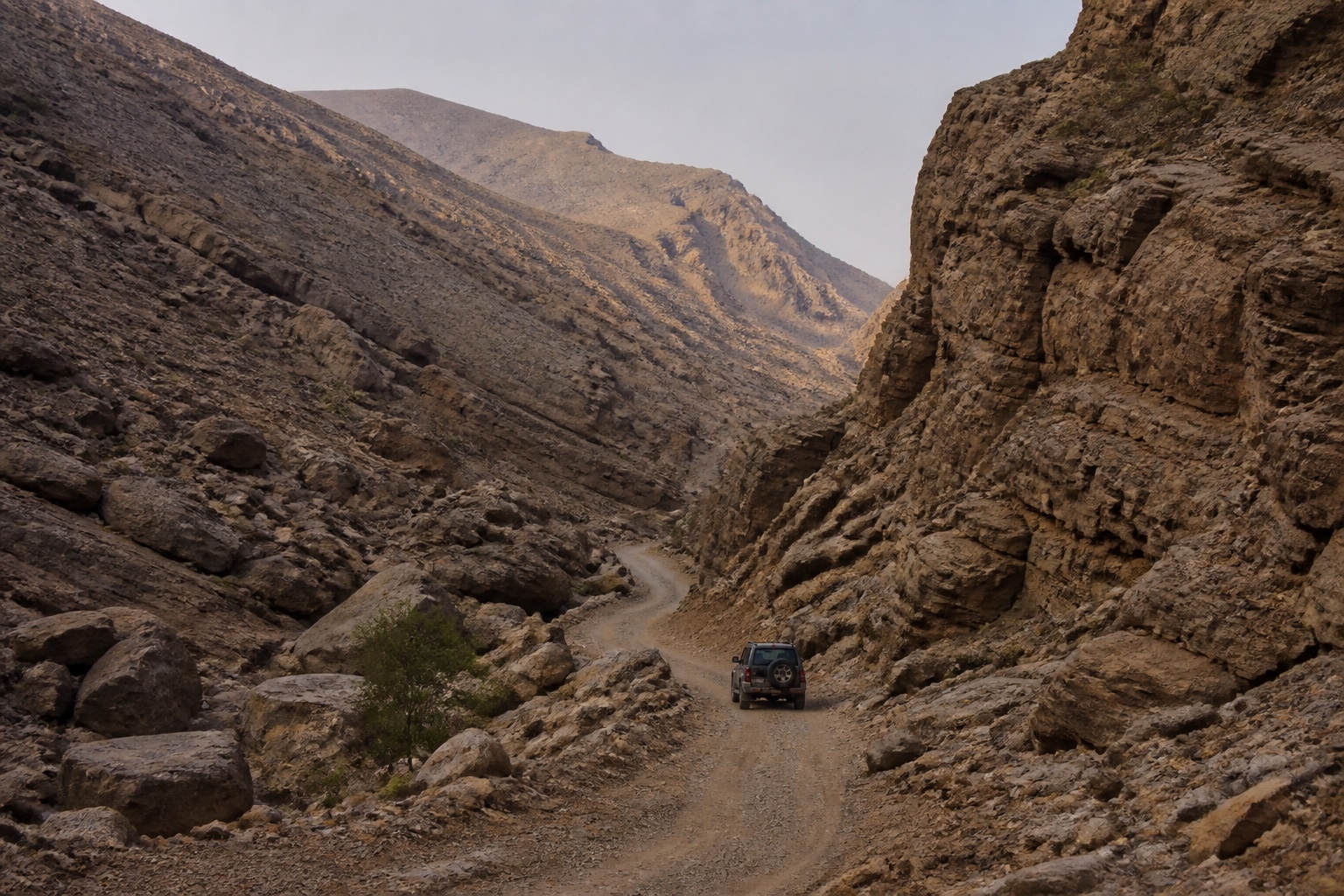
Nobody regrets leaving the main road.
THE NAWA METHOD
What this intention changes in the journey
Check the terrain
Roads, tracks, weather, distances and access conditions are studied before departure.
Prepare another way
Every sensitive stage has a credible alternative that is easy to understand and quick to reach.
Let the itinerary move
Margins are preserved so an experience can last longer, a recommendation can be followed or the route can adapt to real conditions.
The freedom to move beyond the expected, with the right bearings quietly in place.